Aerobic Septic & Private Wells vs. City Utilities: The Truth About Texas Acreage Infrastructure

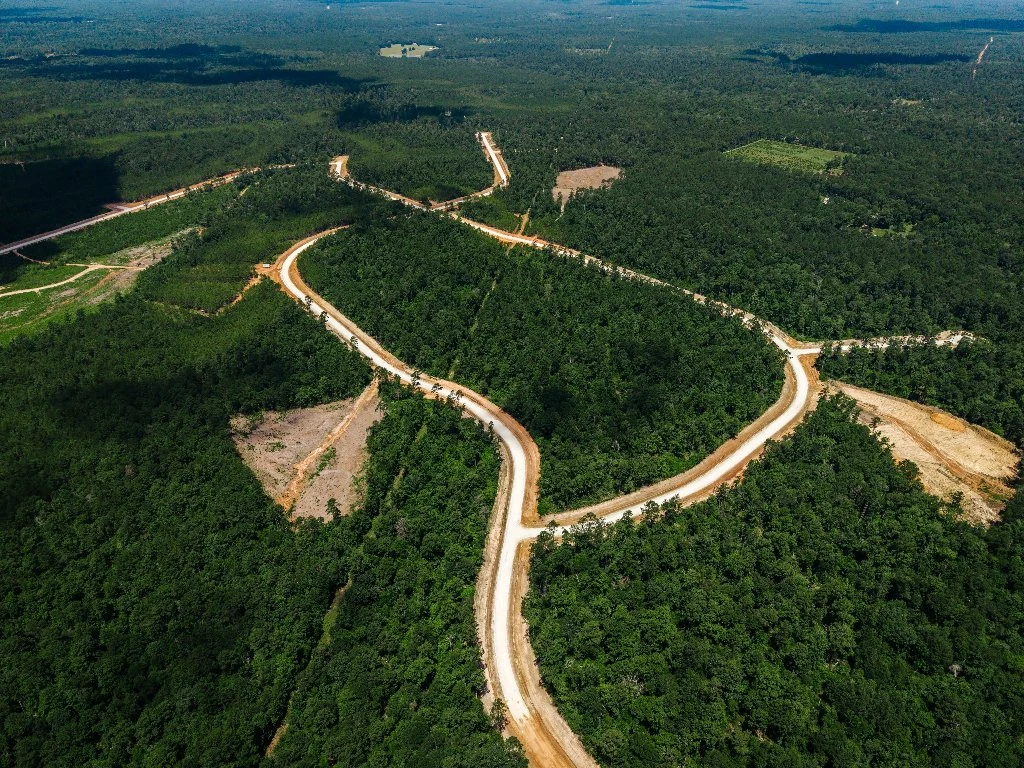
- Suburban Hesitation vs. Reality: Many buyers relocating from The Woodlands, Spring, Katy, or Cypress fear septic systems and private wells due to outdated myths. Modern Texas aerobic systems operate as fully automated, odorless mini-treatment plants, while deep wells tap pure prehistoric aquifers 300+ feet underground.
- TCEQ Rules Are Straightforward: The State of Texas requires an initial 2-year maintenance contract on all aerobic systems. Annual maintenance contracts afterward cost just $250–$350/year, and chlorine disinfection runs ~$15/month.
- Deer Hollow Ranch (Willis / San Jacinto County): 1–2+ acre lots utilize deep private wells + engineered aerobic septic systems, unlocking an ultra-low 1.68% No-MUD tax rate that saves homeowners over $785/month ($9,400+/year) on their mortgage.
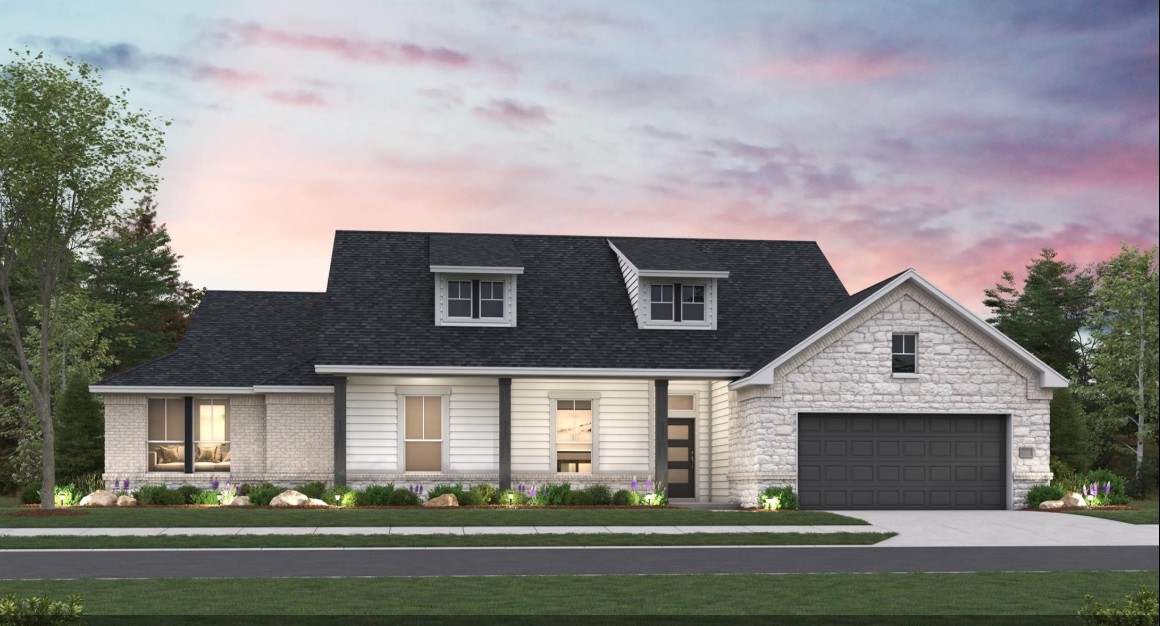
- Pine Rock South (Conroe / Montgomery County): For buyers wanting true acreage living (0.5 to 1-acre wooded sites) with the turn-key convenience of centralized city water and sewer, Pine Rock South provides full municipal utilities, $0 MUD taxes, and zero septic upkeep.
- Financing Freedom: When building with Elk Ridge Homes, all turn-key site prep and utility installations are engineered in-house and can be wrapped directly into a single One-Time Close construction loan.
1. The Modern Aerobic Septic System Demystified
If you have spent your life in master-planned suburban subdivisions in Houston or Dallas, your only concept of wastewater management is paying a monthly municipal bill. When buyers begin touring acreage properties in Willis, Conroe, New Waverly, or Cleveland, the mention of an "on-site sewage facility" (OSSF) often triggers hesitation. Many assume a septic system means foul odors, delicate indoor plumbing, or messy backyard drainage fields.
In modern Texas acreage home construction, traditional passive gravity-fed lateral drainfields have been almost entirely superseded by Engineered Aerobic Treatment Units (ATUs). An aerobic septic system is effectively an advanced, self-contained wastewater treatment plant designed specifically for your single-family home.
Raw wastewater enters the primary settling/trash compartment where heavier solids sink and grease floats. Anaerobic digestion begins breaking down solids before liquid transfers forward.
An electric compressor pump injects continuous oxygen into the second chamber. Aerobic (oxygen-thriving) bacteria proliferate, digesting up to 95% of biological waste rapidly without anaerobic odors.
Clarified water passes through an NSF-approved chlorinator (or UV unit) into the pump chamber. A high-head effluent pump disperses crystal-clear, odorless treated water via timed spray heads or subsurface drip lines.
TCEQ Regulations & Legal Maintenance Requirements
In Texas, on-site sewage facilities are strictly regulated by the Texas Commission on Environmental Quality (TCEQ) under Title 30 Texas Administrative Code Chapter 285, enforced locally by county environmental health departments (such as Montgomery and San Jacinto County Environmental Services).
Here is what every buyer must understand about compliance:
- Mandatory Initial 2-Year Contract: Texas law requires every builder and licensed septic installer to supply a prepaid 2-year maintenance contract on new aerobic installations. During these 24 months, a licensed maintenance provider visits your property every 4 months to test chlorine residual, check aerator pump pressures, clean intake filters, and file inspection reports with the county.
- Subsequent Maintenance Contracts: After the initial two years, most counties require homeowners to maintain a valid maintenance agreement. Annual contract renewals typically cost between $250 and $350 per year. In some counties, homeowners may take a certified TCEQ homeowner maintenance course to self-inspect.
- Approved Chlorine Only: Aerobic systems require NSF-rated calcium hypochlorite tablets specifically formulated for wastewater disinfection. You cannot use swimming pool chlorine (trichlor), which releases combustible gases when submerged in septic environments. A 25-lb bucket of septic tablets costs ~$90–$120 and lasts a typical 4-person family 6 to 9 months.
- Pumping Frequency: Because the aeration chamber breaks down organic matter so thoroughly, the primary trash tank only requires pumping once every 3 to 5 years (costing roughly $450 to $650).
2. Deep Private Water Wells: Complete Independence
While suburban Houston subdivisions rely on treated surface water from Lake Houston or the San Jacinto River Authority—subject to chemical treatment, boil-water notices, and escalating municipal tariffs—acreage homeowners in North Houston tap directly into one of the richest, purest underground aquifers on the continent: the Gulf Coast Aquifer System.
Across northern Montgomery County, Walker County, and San Jacinto County, residential water wells are typically drilled to depths of 250 to 450+ feet. At this depth, well drillers case off surface layers and tap pristine, confined sandstone formations. Rainwater that entered the recharge zone hundreds of years ago has filtered through hundreds of feet of natural clay, silica sand, and gravel. The result is pure, clean water with zero added municipal chlorine or industrial runoff.
Well Performance, Pressure & Reliability
A properly engineered private well system installed by Elk Ridge Homes delivers:
- High Flow Output: Submersible pumps (typically 1.5 HP to 3 HP Franklin Electric or Goulds pumps) deliver 15 to 25+ gallons per minute (GPM). You can run lawn irrigation, wash multiple vehicles, and operate two showers simultaneously without experiencing the water pressure drop typical of municipal lines.
- Zero Water Bills: Once drilled, your water is completely free. The only operating cost is the small amount of electricity required to power the submersible pump when the pressure tank drops below 40–60 PSI—averaging approximately $8 to $15 per month on your electric bill.
- Storm & Freeze Resilience: During extreme weather events (such as winter freezes or hurricanes), municipal water plants frequently lose pressure or suffer line ruptures, triggering prolonged boil-water notices. With a private well, an insulated wellhead enclosure, freeze-protection heat tape, and a simple generator hookup or home backup battery guarantee your family has abundant pressurized running water when the rest of the city has none.
3. Municipal City Utilities: The Pine Rock South Advantage
While many buyers fall in love with the self-sufficiency of private wells and septic at Deer Hollow Ranch, other buyers want the breathing room, privacy, and towering trees of acreage without any desire to think about well pumps, chlorination tablets, or maintenance inspections.
This is exactly why Pine Rock South in Conroe is one of the most uniquely desirable acreage enclaves in North Houston:
- Full Central City Water & Sewer: Every home in Pine Rock South connects directly to municipal utility lines. You turn on the tap, flush the toilet, and never have to schedule an OSSF inspection, purchase septic chlorine, or service a well pump.
- Zero Upfront Utility Outlay: Because city water and sewer mains are already installed at the front of each lot, buyers save $20,000 to $30,000 in upfront site preparation costs compared to raw land requiring well drilling and septic tank installation.
- A Rare Combo: Acreage + City Utilities + $0 MUD: In most suburban developments, city utilities mean living in an aggressive 3.0%–3.5% MUD tax district on a tiny 50-foot lot. Pine Rock South pairs half-acre to one-acre heavily wooded lots and city utilities with $0 MUD taxes, giving you the best of both worlds.
- Promotional 4.99% Buydown Financing: Select move-in ready spec inventory at Pine Rock South qualifies for special builder rate buydowns starting as low as 4.99% fixed for 30 years—saving buyers hundreds of dollars monthly in debt service.
4. Side-by-Side Comparison: Wells & Septic vs. City Utilities vs. Suburban MUDs
To help you weigh your options clearly, review the side-by-side engineering, financial, and operational reality:
| Key Factor | Private Well & Septic Deer Hollow Ranch (Willis) | Central City Utilities Pine Rock South (Conroe) | Suburban MUD District The Woodlands / Spring / Katy |
|---|---|---|---|
| Upfront Capital Cost | $17,000 – $28,000 (Can roll into OTC construction loan) | $2,500 – $4,500 (Standard tap fees included in build) | $0 direct (Subsidized by massive 30-yr bond debt) |
| Monthly Utility Bill | $0 / month (~$10/mo electric pump draw) | $65 – $120 / month (Conroe city water/sewer) | $140 – $240+ / month (Escalating MUD tier rates) |
| Property Tax Burden | 1.68% No-MUD (Saves ~$785/mo on $550k home) | Low Standard Tax ($0 MUD tax rate) | 2.95% – 3.45%+ MUD ($80k+ tax drain over 10 yrs) |
| Maintenance Obligation | Annual contract ($250–$350) + tablets (~$15/mo). Pump every 3–5 yrs. | Zero maintenance. Municipal utility maintains all mains and treatment. | Zero homeowner maintenance. Managed by MUD board. |
| Water Quality & Taste | Unchlorinated, pristine Jasper aquifer water. Superior taste. | Standard chlorinated municipal drinking water. | Municipal surface water blend. Frequent boil-water notices. |
| Power Outage Resilience | High. Portable generator runs well pump during freezes/storms. | Moderate. Dependent on city booster pump stations. | Low. High risk of pressure loss during grid failures. |
| Lot Size & Elbow Room | 1.0 to 2.0+ Wooded Acres | 0.5 to 1.0 Wooded Acre | 0.12 to 0.18 Acre (50-ft tract lot) |
5. The 10-Year Financial Math: Upfront Cost vs. Long-Term Wealth
When prospective buyers evaluate an acreage homesite at Deer Hollow Ranch, their first question is often: "Does spending $20,000 to $25,000 for a well and aerobic septic make financial sense?"
Let's run the actual math comparing a $550,000 home in Deer Hollow Ranch (1.68% No-MUD tax rate + private utilities) against a $550,000 production tract home in a 3.25% MUD tax community in Spring or Katy:
Annual property taxes on $550k home: $17,875/year ($1,489/month). Plus $180/mo in municipal water/sewer bills ($2,160/yr). Over 10 years, you pay $200,350 in non-recoverable taxes and water fees.
Annual property taxes on $550k home: $9,240/year ($770/month). Water bill: $0. Septic maintenance + chlorine: ~$450/yr. Over 10 years, you pay $96,900 in taxes and utility upkeep.
6. How Elk Ridge Homes Simplifies Turn-Key Acreage Construction
The number one reason suburban buyers get overwhelmed by acreage site preparation is dealing with fragmented, unvetted subcontractors: hiring a dozer operator on Facebook, finding a well driller with an 8-month backlog, and negotiating with an independent septic engineer who doesn't coordinate with the home designer.
When you partner with Brian Crocker and Elk Ridge Homes, the entire site development pipeline is managed under one unified contract:
Estimate Your Specific Acreage Site Prep & Tax Savings
Use our interactive engineering tools to calculate itemized site preparation costs for clearing, wells, and septic, or calculate your property tax savings with our No-MUD tax calculator.
Frequently Asked Questions: Texas Acreage Utilities
How does an aerobic septic system work on Texas acreage? ▼
An aerobic septic system functions like an advanced miniature municipal wastewater treatment facility on your property. It consists of three primary stages: a trash interceptor tank for heavy solids, an oxygenated aeration treatment chamber where beneficial aerobic bacteria rapidly break down waste, and a chlorination disinfection chamber. Clarified, treated, odorless water is then distributed via subterranean drip lines or surface spray heads to irrigate dedicated areas of your acreage lawn.
What are the TCEQ maintenance requirements and ongoing costs? ▼
Under Texas Commission on Environmental Quality (TCEQ) Title 30 TAC Chapter 285 regulations, all newly installed aerobic systems include an initial 2-year maintenance contract with a licensed On-Site Sewage Facility (OSSF) provider. After the initial two years, routine maintenance contracts typically cost $250 to $350 annually (covering 3 periodic inspections per year). Routine consumables like NSF-approved calcium hypochlorite chlorine disinfection tablets cost $120 to $180 per year, and tanks require pumping out every 3 to 5 years ($450–$650), bringing average ongoing operational costs to approximately $35 to $50 per month.
How deep are private water wells in Montgomery, Walker, and San Jacinto counties? ▼
Private residential water wells in North Houston acreage corridors typically tap the Jasper or Evangeline formations of the Gulf Coast Aquifer system, reaching depths between 250 and 450+ feet. These deep-confined aquifers produce pristine, naturally filtered, mineral-rich water at steady high flow rates of 15 to 25+ gallons per minute (GPM)—far outperforming suburban municipal water pressure drops during peak hours.
What is the difference between utility setups at Deer Hollow Ranch vs. Pine Rock South? ▼
Deer Hollow Ranch (Willis / San Jacinto County) features 1 to 2+ acre homesites operating on independent deep water wells and engineered aerobic septic systems, paired with an ultra-low 1.68% No-MUD property tax rate that eliminates city water bills and saves homeowners over $785/month compared to high-tax MUD subdivisions. In contrast, Pine Rock South (Conroe / Montgomery County) provides 0.5 to 1-acre wooded homesites with full central city water and sewer infrastructure, giving buyers who prefer zero well or septic maintenance an effortless turn-key acreage lifestyle.
Can well drilling and aerobic septic installation costs be rolled into a construction loan? ▼
Yes. When building with Elk Ridge Homes, all turn-key site prep—including TCEQ septic engineering, county permits, water well drilling, pressure tanks, and electrical hookups—can be bundled into a single One-Time Close (OTC) construction-to-permanent loan, requiring zero separate out-of-pocket cash contracts.
Brian specializes in Texas acreage homesites, custom home feasibility, and builder representation across Greater North Houston. With extensive experience in Montgomery, Walker, and San Jacinto counties, Brian guides buyers through site clearing, utility engineering, floor plan customization, and financing.